Lightnovo Advances Rapid Bacteria Identification Through MbCARE Initiative

At Lightnovo, our mission has always been clear: to bring powerful analytical technologies closer to real-world applications—making them faster, more accessible, and impactful. Our participation in the MbCARE (Multi-bacteria Clinical Analysis Response & Examination) project marks an important step in this journey, particularly in the field of rapid bacterial identification.Following the successful completion of the mBSENS project, which established the technical feasibility of Raman-based bacterial detection, MbCARE represents the next phase: transforming a proof-of-concept into a clinically relevant, deployable solution. This evolution is critical, as healthcare systems worldwide continue to face increasing pressure from hospital-acquired infections (HAIs), antimicrobial resistance, and the need for faster diagnostic tools.

From mBSENS to MbCARE: Building on Proven Foundations

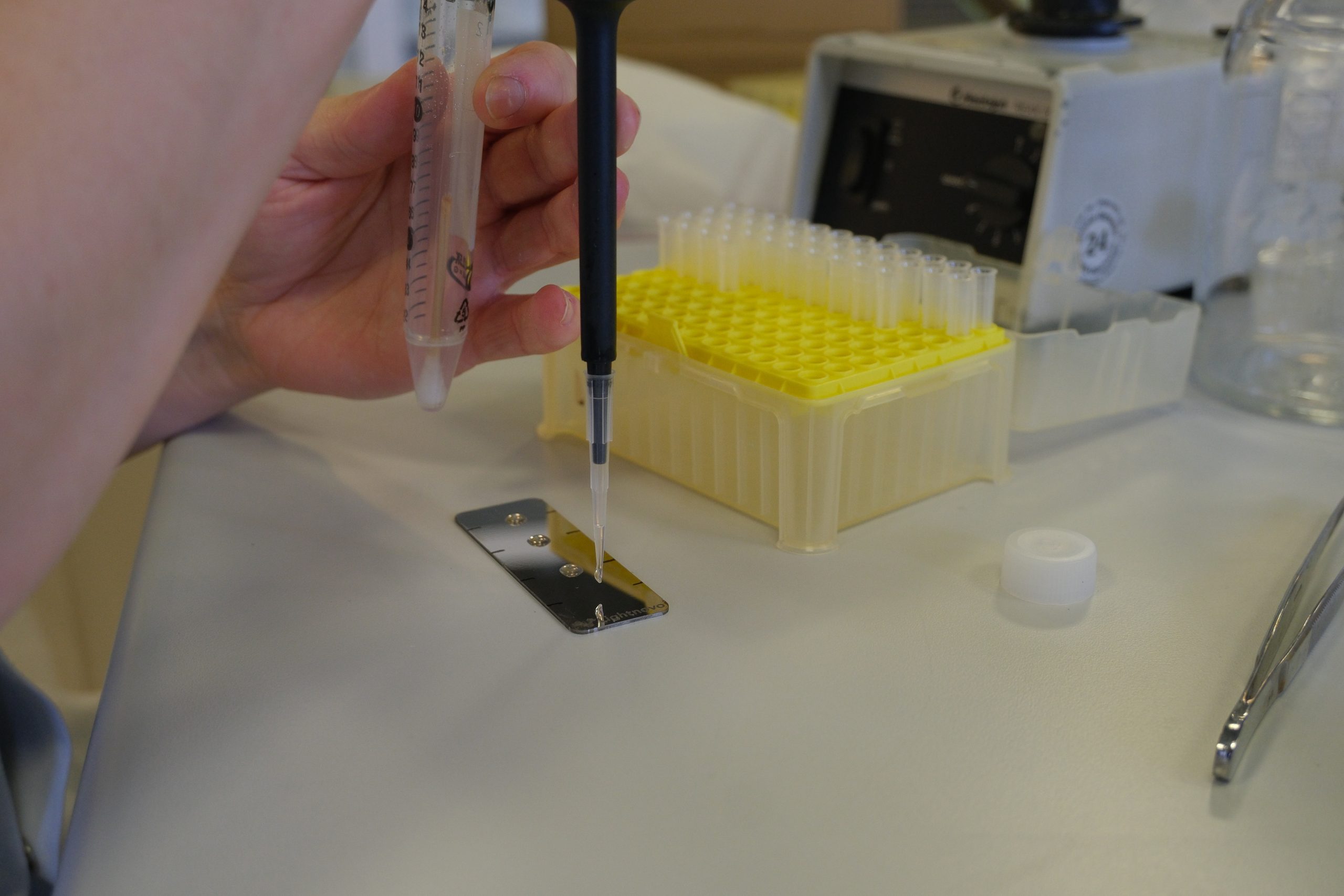
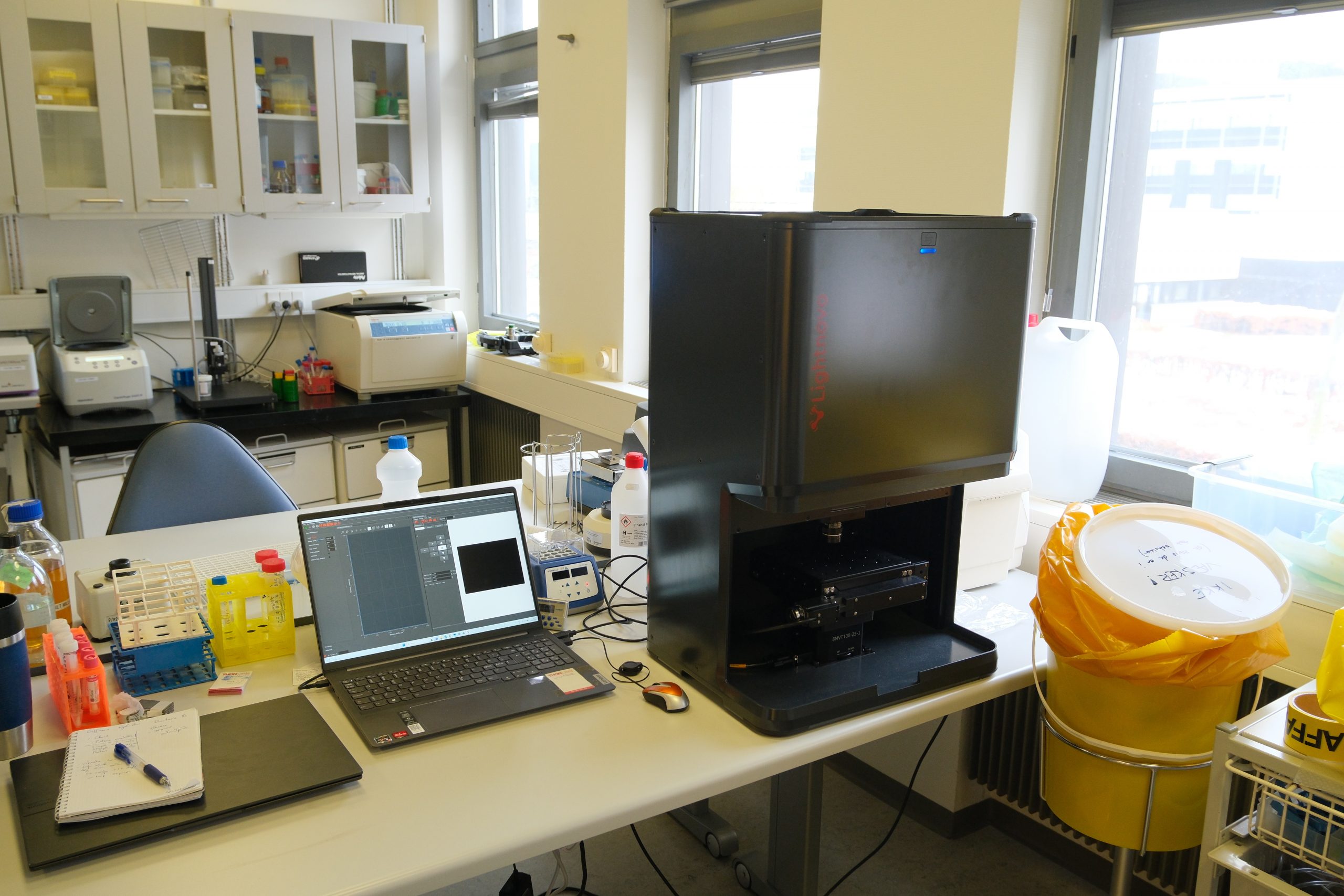
The mBSENS project laid the groundwork by demonstrating that Raman spectroscopy, combined with machine learning, can differentiate bacterial species with high accuracy. It validated the potential of compact Raman systems—such as Lightnovo’s miniRaman platform—to move beyond traditional laboratory environments.With MbCARE, we are now taking this concept further by developing the MbMap system: a compact, user-friendly Raman-based microscope designed specifically for clinical workflows. The goal is ambitious yet clear—enable healthcare professionals to identify bacterial strains within hours rather than days.Current diagnostic methods often rely on culturing samples followed by techniques such as PCR or mass spectrometry. While accurate, these approaches are time-consuming, typically requiring 24–72 hours or more. During this time, infections can spread, treatment may be delayed, and healthcare costs increase significantly.MbCARE addresses this gap by enabling rapid, on-site bacterial screening directly in hospitals and medical practices. By combining fast cultivation methods with high-resolution Raman microscopy and advanced machine learning models, the MbMap system aims to deliver actionable results within 1–2 hours.

A Strong European Collaboration

The strength of the MbCARE project lies in its interdisciplinary consortium, bringing together expertise from across research, clinical practice, and industrial innovation.Lightnovo leads the project as the technology developer and future commercialization partner, leveraging its expertise in compact Raman instrumentation.

The collaboration includes:

  • Odense University Hospital (OUH) – providing clinical validation, access to bacterial isolates, and real-world testing environments.
  • Danish Fundamental Metrology (DFM) – ensuring measurement accuracy, calibration, and machine learning model validation.
  • STANDA – contributing advanced opto-mechanical solutions and precision motion systems for clinical-grade devices.

Together, this partnership ensures that the MbMap system is not only scientifically robust but also practical, reliable, and ready for real clinical environments.

Transforming Clinical Workflows

One of the key innovations of MbCARE is the integration of Raman spectroscopy directly into the clinical workflow. By measuring bacterial colonies before traditional preparation steps—such as those required for MALDI-TOF—the system captures diagnostic information earlier in the process.

This approach offers several advantages:

  • Speed: Identification of bacterial strains within hours instead of days
  • Reduced transmission risk: Faster detection allows earlier intervention
  • Cost efficiency: Lower reliance on centralized laboratory testing
  • Improved patient outcomes: Faster, targeted treatment decisions
In addition, the system is designed to handle complex, multi-bacteria samples—an important limitation in many existing technologies. By combining micro-scale mapping with machine learning, MbMap can analyze heterogeneous samples and provide more comprehensive insights.
We look forward to sharing further updates as the project progresses and to continuing our collaboration with leading partners across Europe to deliver meaningful innovation in healthcare.
Lightnovo Advances Rapid Bacteria Identification Through MbCARE Initiative

From Innovation to Impact

The broader impact of the MbCARE project extends beyond technological innovation. Hospital-acquired infections affect millions of patients each year and represent a significant burden on healthcare systems. Faster diagnostics can play a crucial role in reducing infection spread, optimizing antibiotic use, and lowering overall healthcare costs.The MbMap system is designed with accessibility in mind. Its compact form factor and cost-effective design make it suitable not only for large hospitals but also for smaller clinics and decentralized healthcare settings. This aligns with Lightnovo’s vision of democratizing advanced spectroscopy technologies.

Looking Ahead

While MbCARE is focused on clinical bacterial identification, the underlying technology platform has far-reaching potential. The same principles can be adapted for applications in food safety, pharmaceutical quality control, and environmental monitoring—areas where rapid, reliable detection is equally critical.As we move forward, Lightnovo remains committed to bridging the gap between advanced spectroscopy and real-world needs. MbCARE is a key milestone in this journey, bringing us closer to a future where rapid, on-site diagnostics become the standard rather than the exception.